Managing Online Content
March 25, 2021

As a result of this, many of us on a daily basis experience moments of frustration from being confined to social distancing, or have a fear of losing one’s job (or indeed have already), or are unintentionally feeling ungrateful for what we do have. Prior to the pandemic taking over, we would still face similar thoughts and feelings towards something we have seen on social media or heard about from family, a friend or colleague. This could include being envious of someone’s belongings or achievements, which they have shared on social media, or indeed boasting about our own.
Whilst these emotions make us human, it’s our intentions and actions that decide whether we are a ‘good’ person, whether in the eyes of one’s self, our friends and family, our colleagues, or in the eyes of Allāh .
Pre-Coronavirus, many of us lost the capacity to sit still and reflect upon ourselves. Now that we have the time to look back and contemplate, perhaps we need to think about why we are feeling these negative emotions. Why do we feel a sense of loss or frustration within our family relationships, for example?
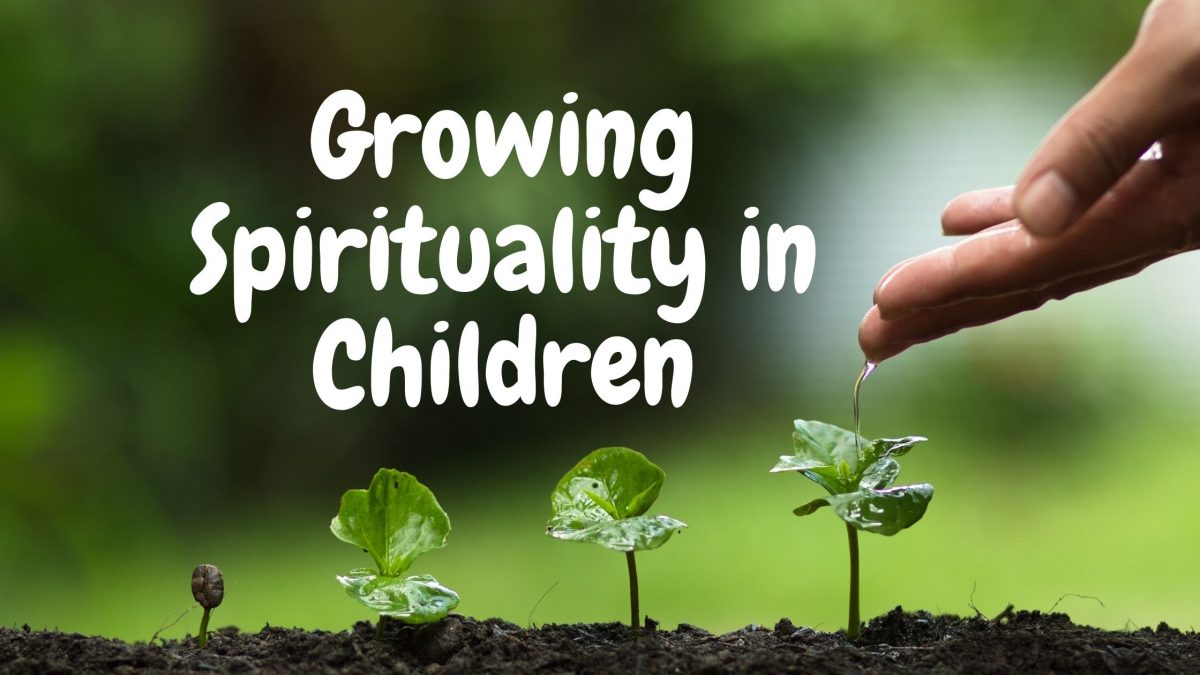
The upbringing and education (tarbiyyah) of our children is therefore of utmost importance, in terms of their conduct (sulūk), etiquette (ādāb) and good character (akhlāq). Tarbiyyah is a process of developing our children to become more conscious of their deeds because it aims to put us (as parents) as well as them on a path of continual self-analysis, self-correction and self-development as they develop their spiritual, mental, social and cultural values towards becoming outstanding citizens, as well as ambassadors of Islam.
“The Day when neither wealth nor children will be of any benefit. Only those who come before Allāh with a pure heart (will be saved).” [As-Shu’arā’ 26: 88-89]
The education of tarbiyyah, if delivered effectively, instills a passion for truth, righteousness and justice, encouraging our children to become closer to Allāh and His Rasool . It helps them to come to terms with their humanity, improve a sense of self and thereby offer a sense of well-being as their relationship with Allāh is reconstructed. It is ultimately about improving the spiritual health of our children towards feelings of contentment (qanā’ah), sincerity (ikhlās), patience (sabr), gratitude (shukr), love of Allāh (hubb AIlāh), contentment with the Decree (ridā bil-qadā), trust (tawakkul) and submission (taslīm).
Allāh says, “As for those who struggle in Our cause, We will surely guide them along Our Way. And Allāh is certainly with the good-doers.” [Al-’Ankabūt 29:69]
The Prophet said, “The one who strives in the way of Allāh the Exalted is he who strives against his soul in the obedience of Allāh.” [Musnad Ahmad 23967]
Making tarbiyyah accessible however to a new generation is of utmost importance especially in times of a spiritual vacuum and great uncertainty. As loving parents, if we help our children recognise the importance of cultivating spiritual health, we will begin to see real change in sha’ Allāh.
Allāh says, “Indeed, Allāh would never change a people’s state (of favour) until they change their own state (of faith).” [Ar-Ra’ad13:11]
Author:
Jamal Parekh, Ibn Daud
ibndaudbooks.com
Why not keep your children engaged with our Islamic educational and fun online platform,
Nasihah World! Your Study Companion
| Cookie | Duration | Description |
|---|---|---|
| cookielawinfo-checbox-analytics | 11 months | This cookie is set by GDPR Cookie Consent plugin. The cookie is used to store the user consent for the cookies in the category "Analytics". |
| cookielawinfo-checbox-functional | 11 months | The cookie is set by GDPR cookie consent to record the user consent for the cookies in the category "Functional". |
| cookielawinfo-checbox-others | 11 months | This cookie is set by GDPR Cookie Consent plugin. The cookie is used to store the user consent for the cookies in the category "Other. |
| cookielawinfo-checkbox-necessary | 11 months | This cookie is set by GDPR Cookie Consent plugin. The cookies is used to store the user consent for the cookies in the category "Necessary". |
| cookielawinfo-checkbox-performance | 11 months | This cookie is set by GDPR Cookie Consent plugin. The cookie is used to store the user consent for the cookies in the category "Performance". |
| viewed_cookie_policy | 11 months | The cookie is set by the GDPR Cookie Consent plugin and is used to store whether or not user has consented to the use of cookies. It does not store any personal data. |